| |
Networking and Sustainability Activities within the BioMat4CAST project

|
26-28.06.2025
|
Networking Workshop Organized during the Third BioMat4CAST training:
Fundamental principles of the folding and structure of peptides and proteins in membranes
|
|
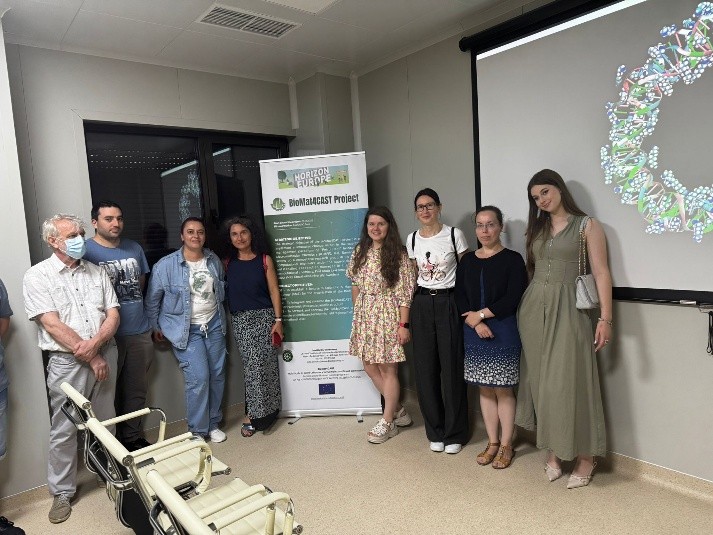
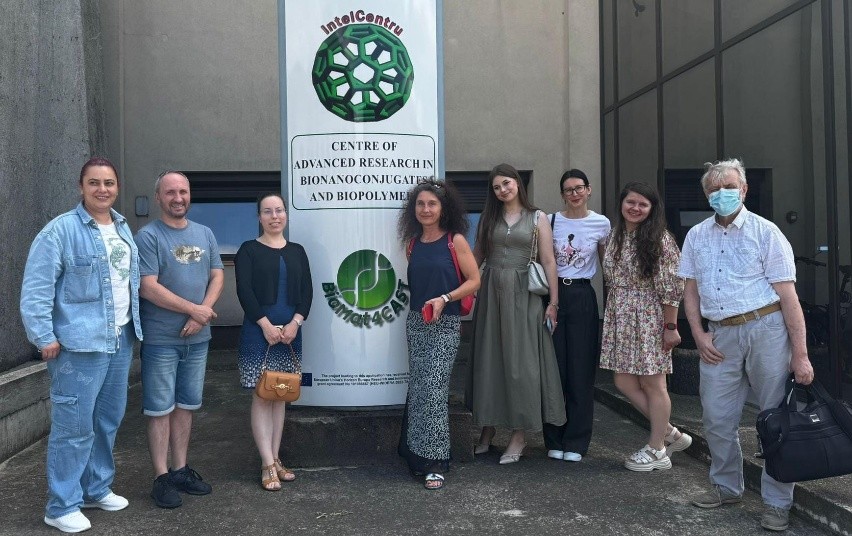
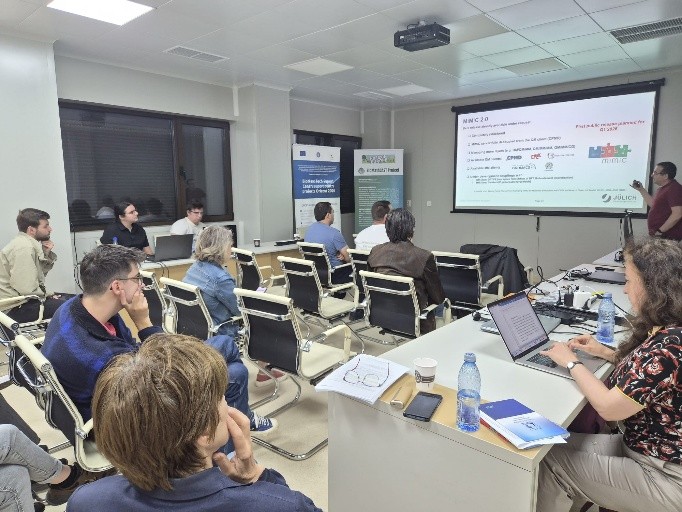
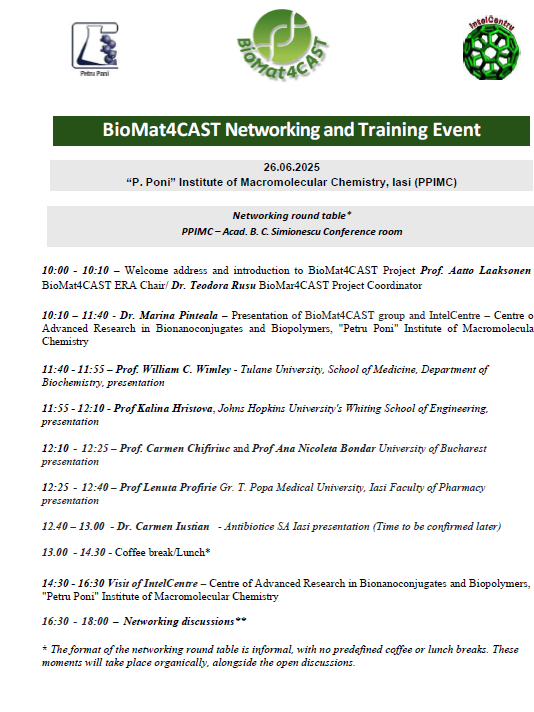
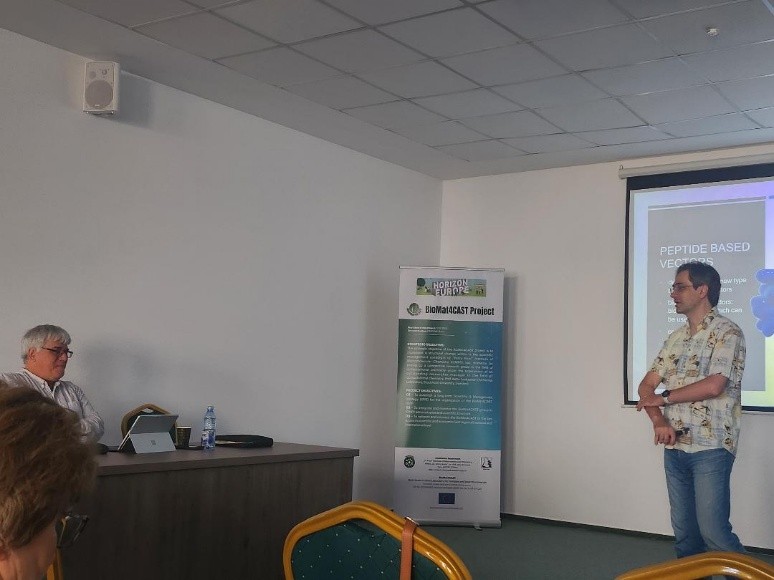
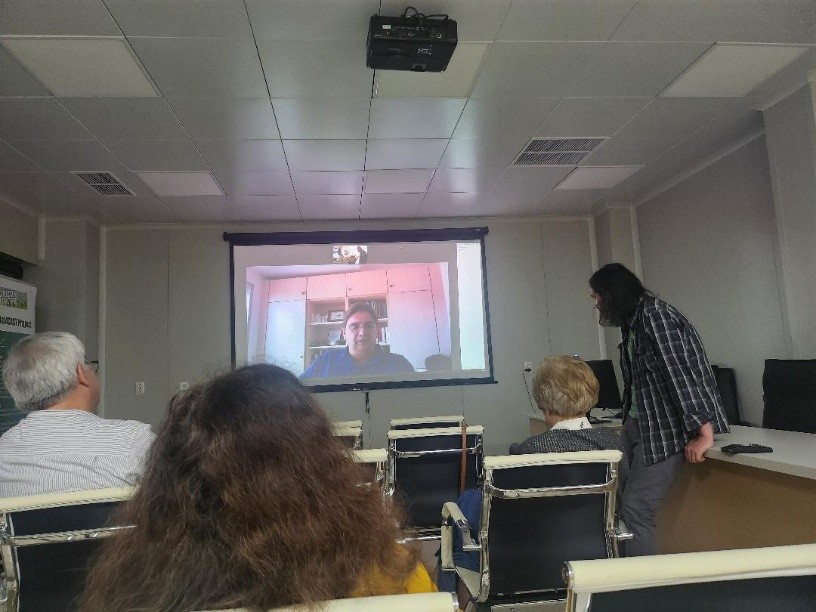
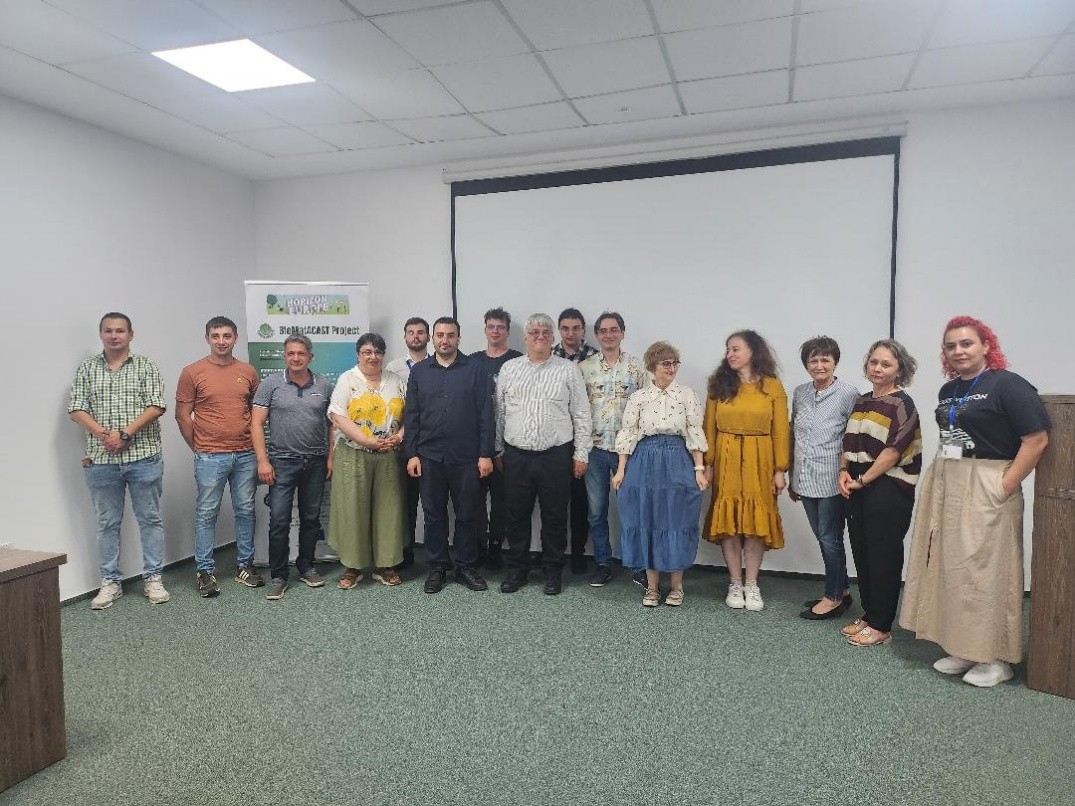
The third BioMat4CAST training: “Fundamental principles of the folding and structure of peptides and proteins in membranes”; Trainers: Prof. William Wimley (Tulane University, USA) and Prof. Kalina Hristova (Johns Hopkins University, USA) organized between 26-28.06.2025 (see detailed D2.3 Report on Training and Human Resources Management_2) included a dedicate networking workshop between the two guests from USA with the BioMat4CAST Team and other IntelCentre staff and several national collaborators as follows. This workshop was organize in the first day of the training and consisted in general presentations of the institutions/research group involved in the networking event as well as presentation of scientific achievements of the research group in discussion. The participants in the session were:
From Romania:
- Prof. Carmen Chifiriuc and Prof Ana Nicoleta Bondar University of Bucharest,
- Prof Lenuta Profirie Gr. T. Popa Medical University, Iasi Faculty of Pharmacy
- Dr. Carmen Iustian - Antibiotice SA Iasi
From Germany:
- Prof. Paolo Carloni Achen University & Computational Biomedicine (INM-9) Julich
Based on the networking disscutions a colaboration project between The BioMat4CAST Team represented by Dr. Mariana Pinteala, Dr Dragos Isac and Phd. Student Petru Tirnovan , Prof, Hristova, Prof. Wimley, Prof. Nicoleta Bondar and Prof Paolo Carloni was disscused agreed and the draft proposal was finalised in August. In September, during the practical training on Julich IT facility the participants from BioMat4CAST were trained to work with and the research plan stareted to be implemented from october 2025 when Prof Bondar started her activity as BioMar4CAST Team Leader. The proposed project will focuses on EGFR/FGFR1 heterointeractions, on the activation of EGFR by FGFR1 in response to the ligand FGF2, and on the effect of small molecule inhibitors of this activation. Experiments will be performed at the Hristova Lab at Johns Hopkins University. Synthesis of potential specific inhibitors will be performed at the Petru Poni Institute of Macromolecular Chemistry. The MM and QM/MM computations will be also performed at the Petru Poni Institute in close collaboration with the Forschungszentrum Jülich Institute for Computational Biomedicine.
|
|
|
|
10.02.2025
|
Round Table Networking during visit of the Representants of the OMRI PNRR Project
|
|
The OMRI the project aims to develop an excellent research group at the Institute of Physical Chemistry "Ilie Murgulescu" (Romanian Academy)-IPC, Bucharest Romania in a state-of-the-art interdisciplinary field (synthetic chemistry, supramolecular chemistry, chemical biology).
The project develops fundamental research that goes further into practical applications which respond to significant challenges in medical imaging (i.e. EPR and OMRI).
The project director, Prof Sylvain Marque (University Aix-Marseille, FR), is a researcher with experience and outstanding scientific performance, demonstrated by originality and major international impact of scientific publications. He is instrumental in developing a solid research group at the IPC, increasing its international scientific performance and visibility, train researchers, establish new collaborations and open new research paths in the field.
During the networking visit Prof Sylvain Marque (University Aix-Marseille, FR) presented a conference From solvents effects in nitroxides to probes for low-field Overhauser-enhanced Magnetic Resonance Imaging (OMRI). The conference was followed by discussion of Prof. Marque and Prof Ionita from IPC with the BioMat4CAST researches and other Intel Centre researchers.
|
|
7-11.07.2025
|
Networking Round Table and Visit within the PRECISEU Personalised MedicineSchool: Advancing Healthcare Innovation, Iasi Romania
|
|

The BioMat4CAST Team co-organised the PRECISEU Personalised Medicine School Advancing Healthcare Innovation, a key event fostering collaboration across Europe’s health innovation ecosystem. The programme addressed regional needs identified by PRECISEU partners, covering genomics, health AI, digital tools, ethics, and translation into practice. Beyond contributing to the training sessions, the BioMat4CAST Team strengthened networking opportunities by hosting a round table networking discutions and the visit of two trainee groups in its laboratories and IntelCentre facilities, creating valuable connections between researchers, innovators, and regional stakeholders.
|
|
17.03.2025
|
Networking discussions during the training performed by Prof. Paolo Carloni Director of Institute for Computational Biomedicine Forschungszentrum Jülich, and Prof. at Achen University Germany
|
|
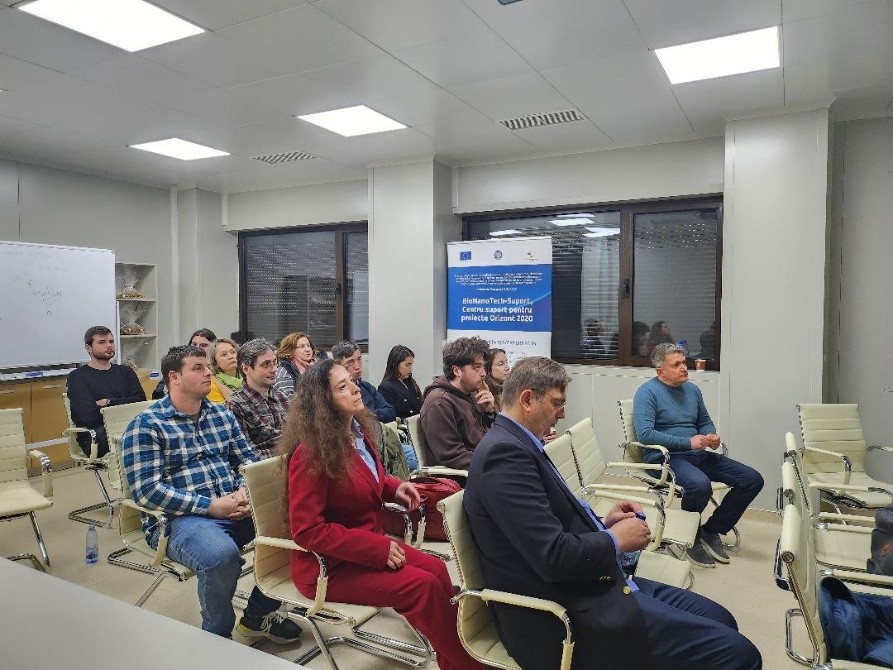
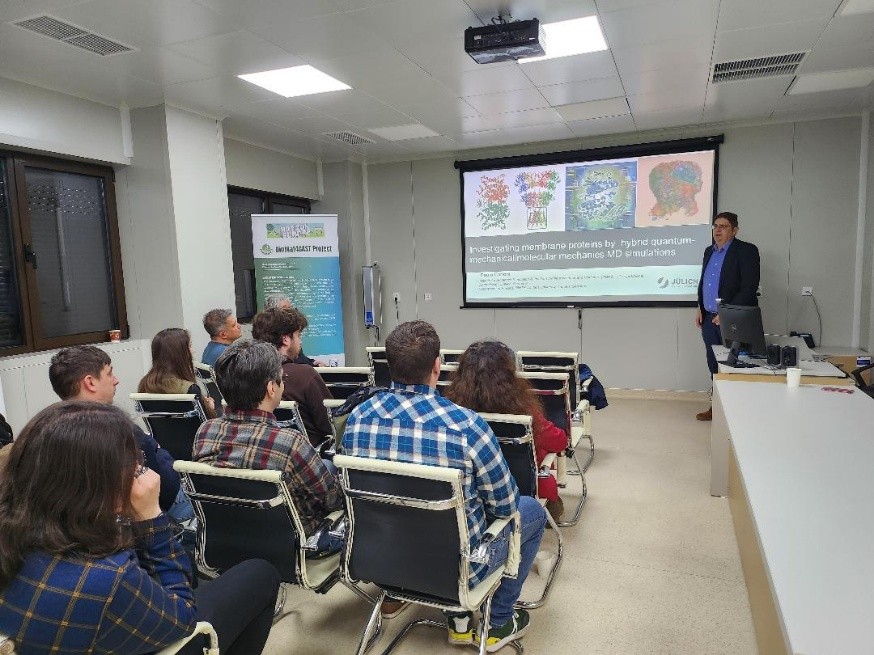
In March 2025, Prof. Paolo Carloni visited the BioMat4CAST Team to conduct a training on the topic “Investigating Membrane Proteins by Massively Parallel Quantum-Mechanical/Molecular Mechanics Simulations” (see detailed D2.3 Report on Training and Human Resources Management_2). During his visit, several objectives for future collaboration were established:
O1. Advanced Computational Approaches for Drug Design:
State-of-the-art supercomputers, currently reaching exascale performance (10¹⁸ flops) at research centers such as Jülich, have the potential to revolutionize drug design. The proposed project aims to advance an arsenal of both machine learning (ML) and biomolecular simulation approaches far beyond the current state of the art, harnessing the power of exascale parallel computing [ca24]. Targets include RNA [ho25] and intrinsically disordered proteins, which are implicated in numerous human pathological conditions such as cancer, diabetes, and neurodegenerative diseases. In collaboration with A. Bondar (University of Bucharest and Jülich), the team will predict ligand poses, residence times, and potencies. The accuracy of these predictions will be further enhanced using ML-assisted density functional theory-based quantum chemical/molecular mechanics through our massively parallel interface MiMiC (Multiscale Modeling in Computational Chemistry). These predictions will then be validated against in vitro, in-cell, and in vivo assays conducted by the BioMat4CAST group at ICMPP, Iași.
O2. PhD Recruitment and Joint Supervision:
A PhD student will be recruited within the BioMat4CAST project. Their thesis will be conducted under joint supervision of Dr. Mariana Pinteala (ICMPP) and Prof. Paolo Carloni (Jülich, Germany).
O3. US-EU Collaborative Experimental and Computational Work (previously presented):
Experiments will be conducted at the Hristova Lab at Johns Hopkins University, while the synthesis of potential specific inhibitors will take place at the BioMat4CAST Group. Massively parallel MM and QM/MM will run in collaboration with the Forschungszentrum Jülich Institute for Computational Biomedicine.
|
|
|
|
18.07.2025
|
Networking visit Professor Andriy Mokhir from the University of Erlangen (Germany)
|
|
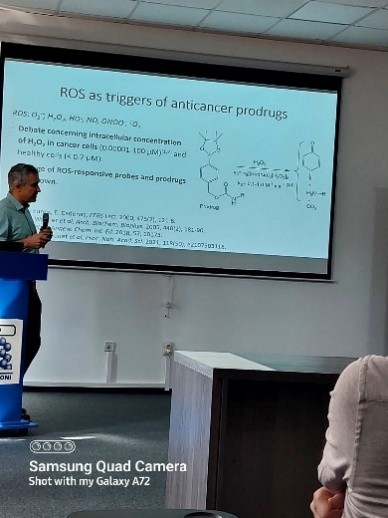
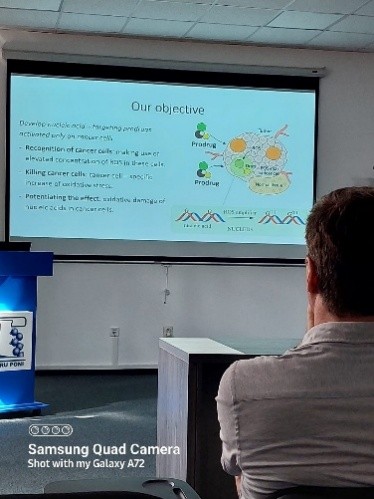
The event featured an invited talk and interactions with a distinguished guest: Professor Andriy Mokhir from the University of Erlangen (Germany) gave a presentation entitled: "Amplifiers of Reactive Oxygen Species Targeting Nucleic Acids in Cancer Cells." Professor Andriy Mokhir explained how homeostatic concentrations of hydrogen peroxide (H₂O₂) are generally elevated in cancer cells compared to healthy ones—a difference that can be leveraged for the design of cancer-selective prodrugs. In malignant cells, H₂O₂ is heterogeneously distributed, with particularly high concentrations localized at its sites of production, including the mitochondria, endoplasmic reticulum, lysosomes, and various cytoplasmic “hotspots.” Previously, Mokhir’s research group developed aminoferrocene-based prodrugs that become selectively activated in some of these H₂O₂-enriched microenvironments. Upon activation, these prodrugs liberate electron-rich aminoferrocene derivatives that catalyze the formation of reactive oxygen species (ROS) such as superoxide anion radicals and hydroxyl radicals, ultimately disrupting critical intracellular organelles and triggering cancer cell death.
|
|
|
|
|
26.09.2025
|
Dr. Emiliano Ippolito, Head of IT Unit at from Forschungszentrum Jülich, Institute for Computational Biomedicine
|
|
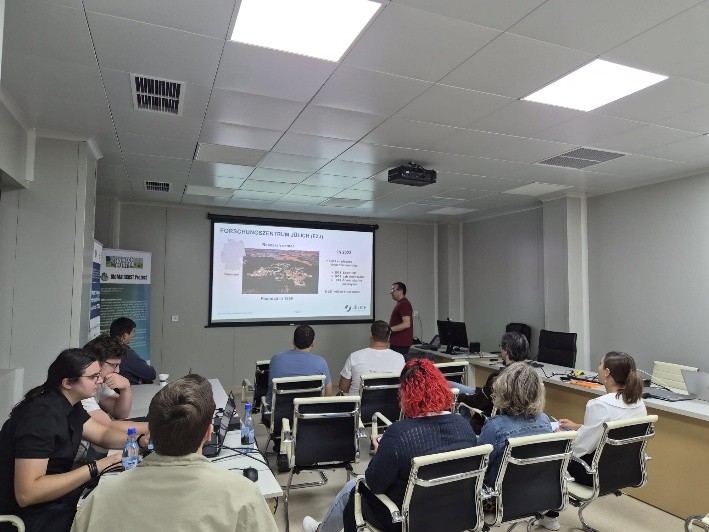
The networking discussion took place on the final day of the training “MiMiC: a Flexible and Efficient Framework for Multiscale Modelling in Computational Chemistry Designed for High-Performance Computing”, delivered by Dr. Emiliano Ippolito within the BioMat4CAST Team (see detailed D2.3 Report on Training and Human Resources Management_2).
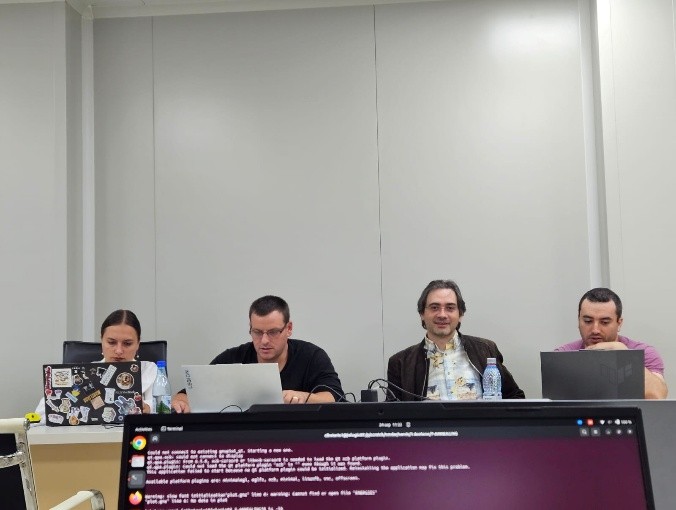
This session served as a platform to define and formalize the parameters of collaboration between the BioMat4CAST team and the German partners. In particular, it established the framework for remote access to state-of-the-art supercomputers at Jülich, Germany. These computational resources will be utilized to support the two collaborative research topics agreed upon during the training, enabling advanced MM and QM/MM simulations in a highly efficient, multiscale computational environment.
|
|
06-08.11.2024
|
Networking discussions during the Training performed by Prof. Dr Ana Nicoleta Bondar, Bucharest University and Forschungszentrum Jülich, Institute for Computational Biomedicine):
|
|
Between 6–8 November 2024, Prof. Dr. Ana Nicoleta Bondar (University of Bucharest & Forschungszentrum Jülich, Institute for Computational Biomedicine) conducted a specialized training on “Dynamic hydrogen bond networks for transport and signalling across biological membranes” as part of the BioMat4CAST project (see detailed D2.3 Report on Training and Human Resources Management_2).
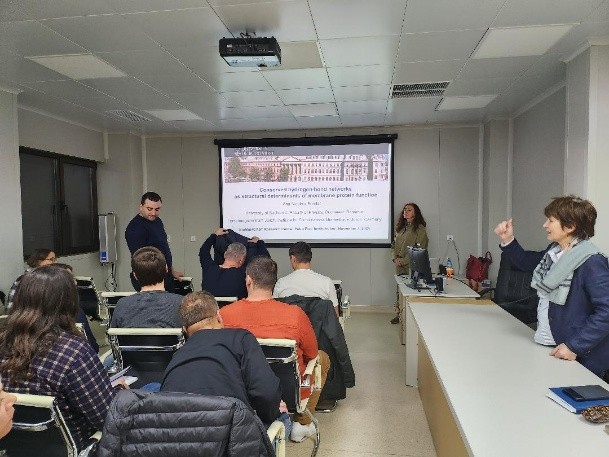
The training not only provided advanced insights into theoretical and computational approaches for studying membrane proteins, but also served as a platform for exploring future collaborations. Initial discussions focused on the potential visit in 2025 of Prof. Paolo Carloni (Director) and Dr. Emiliano Ippolito (Head of IT Unit) from Forschungszentrum Jülich, Institute for Computational Biomedicine – aimed at laying the foundation for joint research directions in collaboration with Prof. Bondar and her colleagues in Jülich. These conversations began during the training and have since been followed up through several online meetings.
|
|
22.11.2024
|
Networking discussions during the training performed by Dr. Teodoro Laino, IBM Research Zurich, Switzerland
|
|
The visit and training session delivered by Dr. Teodoro Laino (Fueling the Digital Chemistry Revolution with Language and Multimodal Foundation Models – see detailed D2.3 Report on Training and Human Resources Management_2) represented a significant step forward in fostering collaboration and opening new networking perspectives for the BioMat4CAST team. Following the training, extensive discussions were held on the potential use of IBM’s advanced computing facilities, with particular emphasis on the soon-to-be-launched FreeYa Mind Campus.
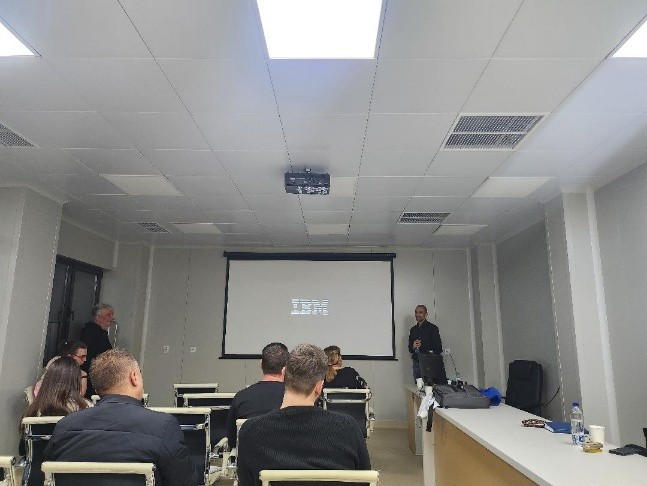
The FreeYa Mind Campus is envisioned as a cutting-edge, multidisciplinary science hub anchored by IBM Quantum and complemented by advanced AI technologies. Designed to drive innovation at the crossroads of physics, AI, mathematics, medicine, drug discovery, chemical compounds, and materials science, the campus will offer a highly dynamic environment where students, researchers, and innovators work together to address real-world challenges through quantum computing. Furthermore, the initiative aims to inspire transformative breakthroughs, supporting early-stage companies and pioneering projects in pushing the boundaries of technology, science, and industry.
The networking discussions with Dr. Laino highlighted the strategic importance of IBM Quantum technology for the long-term development and sustainability of the BioMat4CAST team, particularly in expanding computational capabilities and fostering interdisciplinary approaches. Dr. Teodoro Laino explained how his scientific interests (machine learning and artificial intelligence technologies to advance the digitalization of chemistry and materials science) have been successful addressed in IBM RXN for Chemistry, a widely recognized community platform that has transformed the way chemical synthesis is designed and predicted, platform that will also be integrated in the FreeYa Mind Campus.
|
|
24–25.07.2024
|
Networking Seminar within the REVERT Project Consortium Meeting organised at BioMat4CAST headquarter, ICMPP, Iași
|
|
The BioMat4CAST regional partner the IMAGO-MOL Cluster hosted the REVERT project consortium meeting in Iași. Durin the consortium meeting a networking visit of the REVERT members was made to the BioMat4CAST Team (representants from: The Scientific Institute for Research, Hospitalization and Health Care (IRCCS) San Raffaele, Italy; ProMIS - Mattone Internazionale Salute, Italy, Biovariance GmbH Germany; Luxemburg Institute of Health; Malmö University Sweeden; Germany’s Federal Institute for Materials Research and Testing; Umeå University Sweeden; Servicio Murciano de Salud Spain).
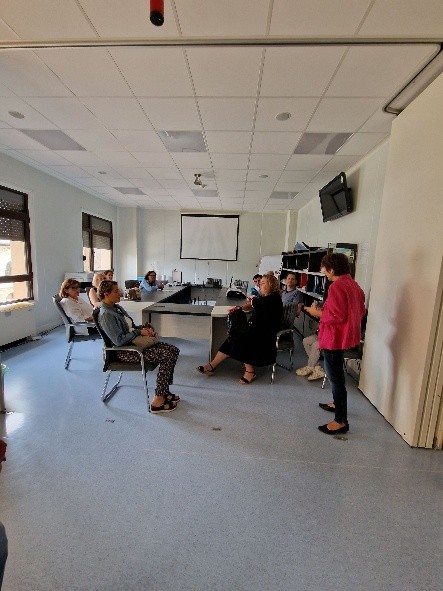
The meeting underscored both the complexity and the transformative potential of developing artificial intelligence algorithms within the framework of a multicenter study. This process involves not only the integration of heterogeneous clinical and molecular data but also the harmonization of methodologies across diverse institutions, making the journey both challenging and instructive. The REVERT project represents a milestone in advancing innovative strategies for the treatment of colorectal cancer, where AI-driven models are being trained to improve patient stratification and therapeutic decision-making.
Discussions during the meeting emphasized two key aspects: the scientific progress achieved so far—ranging from preliminary validation of algorithms to early translational applications—and the crucial next steps required to ensure robustness, scalability, and clinical relevance. In this context, the collaboration with the BioMat4CAST Team was highlighted as essential, bringing expertise in data analysis, materials science, and cross-disciplinary integration to further strengthen the project’s outcomes.
|
|
25.10.2024
|
BioMat4CAST Seminar and Networking Discussion on: Modern Trends in Chemistry
|
|
Modern Trends in Chemistry emphasize the role of rational design in shaping the future of science. From the creation of advanced materials and bio-inspired molecules to the development of catalytic processes and drug candidates, chemistry is becoming increasingly predictive and interdisciplinary. The integration of computational modeling, AI, and experimental innovation enables researchers to move beyond trial-and-error, accelerating the transition toward sustainable, application-driven solutions.
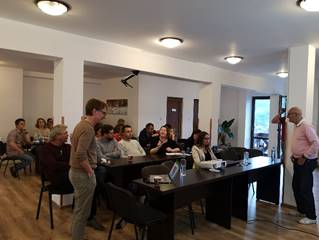
The BioMat4CAST Team hosted a seminar and networking session at the ICMPP Conference Hall, dedicated to exploring modern trends, challanges and future directions in science. The event brought together primarily ICMPP researchers, alongside external participants, fostering dialogue and exchange of ideas within the scientific community.
The program included:
• Prof. Marc Abadie, University Montpellier II, France – “Do Science, Ecology and Economics Work Well Together?”
• Vlad Ghizdovat & Maricel Agop, “Gh. Asachi” Technical University, Iasi, Romania – “Holographic-type Behaviours in Complex Structures Dynamics.”
Through these discussions, the seminar offered participants valuable insights into interdisciplinary approaches, highlighting the interplay between scientific innovation, ecological challenges, and complex systems dynamics. The seminar did not address directly to scientific aspect but focused actually to open questions related to the future of science especially in the context of growing importance of the AI techniques.
|
|
18.04.2024
|
Networking discussion with Anna MARABOTTI, Professor Department of Chemistry and Biology "A. Zambelli", University of Salerno, Italy
|
|
Prof. Anna Marabotti (University of Salerno, Italy) earned her PhD in Biochemistry from the University of Turin in 2001 after graduating in Medicinal Chemistry at the University of Parma. She carried out postdoctoral research at several Italian universities (Verona, Padua, Second University of Naples), public institutions (CNR, IRCCS "E. Medea"), and also worked in the pharmaceutical industry in regulatory affairs. Since 2012, she has been Assistant Professor at the Department of Chemistry and Biology, University of Salerno.
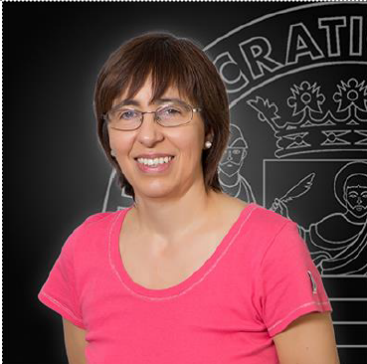
Her research focuses on protein structure–dynamics–function relationships, protein–ligand interactions, and allosteric regulation, using an integrated experimental and bioinformatics approach. She has extensive teaching experience, has served on scientific and organizing committees of numerous conferences, courses, and workshops, and is actively engaged in national and international scientific societies. Prof. Marabotti also contributes as a reviewer for leading journals and research projects..
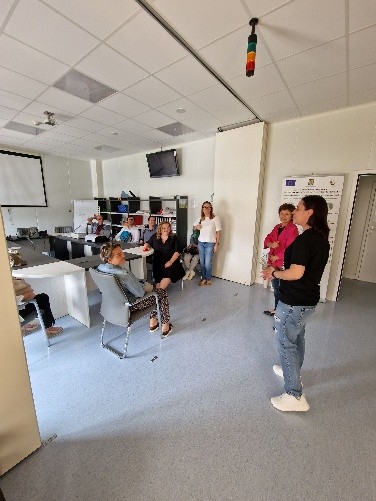
Prof. Anna MARABOTTI, Department performed two days training to “Alexandu Ioan Cuza” University, Iasi on 18 and the 19.04.2024 (see below D4.2.2). Prof. Andrei Neamtu has contacted her and Prof . Marabotti agreed on 18.04.2024 to come and visit Intel Centre and discuss with the BioMat4CAST team. The visit was a very good opportunity for the BioMat4CAST team to present their activities and discus with Prof. Marabotti possibilities of collaboration.
|
|
|